
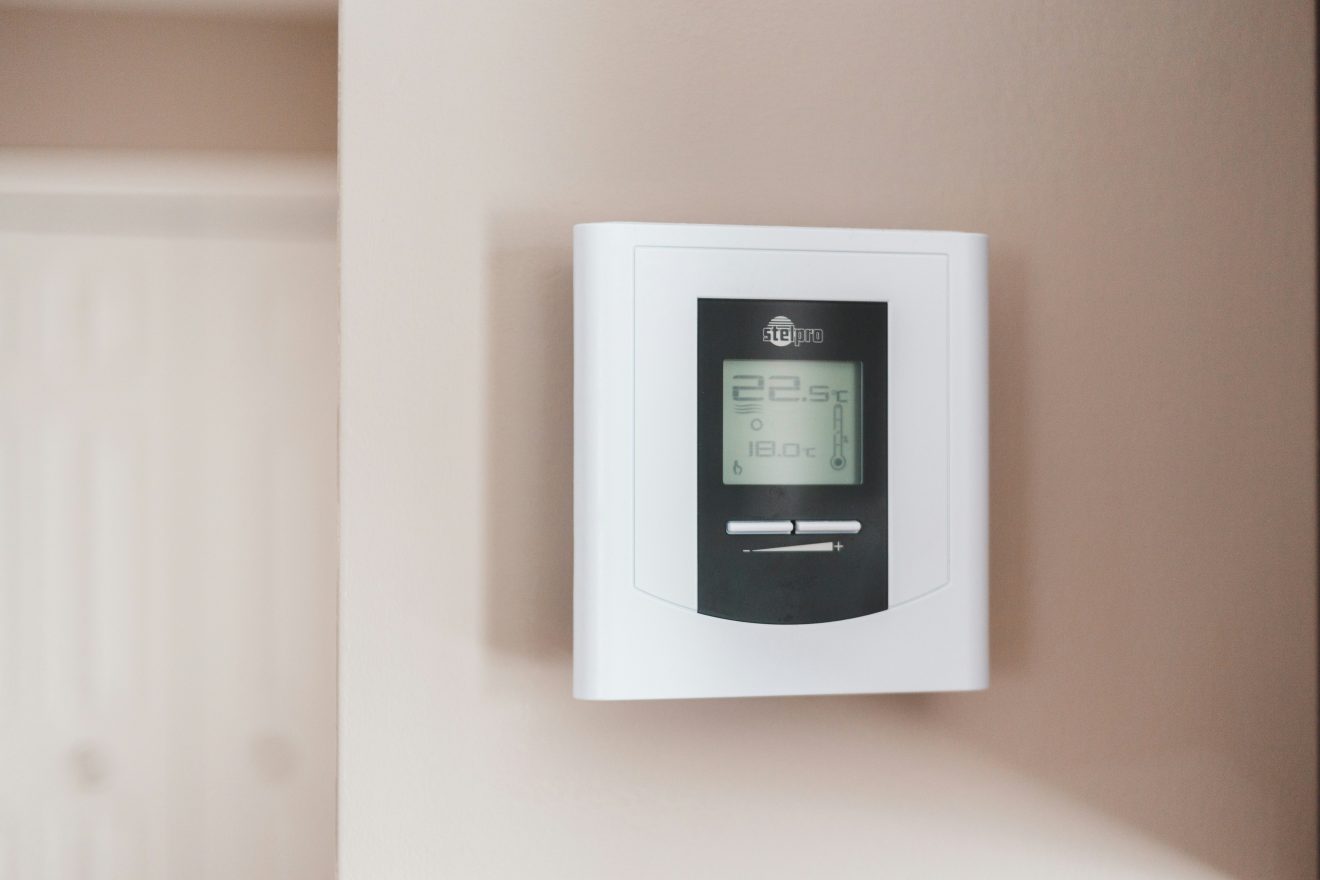
As energy bills continue to rise in Canberra, energy efficiency at home is more important to people than ever. Canberra’s hot summers and cold winters put homeowners in a funny position. If you want to make your home energy efficient throughout the year, you have to plan for both extremes. Depending on where you live in Canberra, you may also need to deal with the cold winds from the Brindabellas.
According to the Canberra Environment Centre, Canberrans have the highest home energy usage per state, at around 25GJ per person annually, compared with 13GJ per annum in NSW. 58% of our energy use is associated with heating and cooling alone. Fortunately, there are plenty of small changes (and some big) you can make to save energy and money.
Understanding Energy Efficiency in Your Home
Energy efficiency refers to using less energy to perform the same task, reducing energy waste and saving money. Improving your home’s energy efficiency involves making upgrades and changes to reduce energy consumption and improve the performance of your home energy systems. By improving energy efficiency, you can reduce your energy bills, increase comfort, and contribute to environmental sustainability. Efficient energy use also lowers emissions, helping to combat climate change.

Improving your home’s Energy Efficiency Rating (EER) might even boost the value of your house. According to the Department of Energy, by improving the efficiency of your home and energy rating by 1-star level, on average, its market value will increase by about 3 per cent (2.5 in 2005 and 3.8 in 2006). A sustainability report from Domain in 2022 also conducted a case study in the ACT and found that the price per square metre for an EER of ‘excellent’, was 99.3 per cent more compared to one with a poor EER.
Small Lifestyle Changes To Reduce Your Energy Consumption
There are plenty of small things you can do to reduce your energy use and save money. If you regularly implement all of these tips to improve efficiency and get your whole household on board, you should notice a difference in your energy bills. Here are some ways to save energy we can recommend from personal experience:
- Optimise Heating and Cooling Times: Set timers on your heating and cooling systems to run only when you need them. For example, have them turn on just before you wake up or come home and switch off when you leave or go to bed. This way, you stay at a comfortable temperature without wasting energy.
- Close Doors: To keep heat in or out, keep windows and doors closed to rooms you’re not using. This simple step helps your heating or air conditioner work more efficiently, focusing on the spaces you use most.
- Turn Off at the Switch: Did you know many appliances use power even when they’re in standby mode? Turn them off at the switch to stop this ‘phantom’ energy use. It’s a small change that can make a big difference to your power bill.
- Unplug Chargers: Phone and laptop chargers draw power even when they’re not connected to a device. Unplug them when you’re not using them to avoid unnecessary energy drain.
- Wash Clothes in Cold Water: Using cold water for laundry saves the energy required to heat the water. Modern detergents work well in cold water, so you can keep your clothes clean while saving energy. According to Energy Vic, washing your clothes in cold water can save you around $115in energy costs a year. This will also increase the longevity of your clothes!
- Use Electric Blankets or Throws: Instead of turning on the heating, use electric blankets or throws to keep warm. They use significantly less energy than heating an entire room and can keep you cosy during colder months. I got an electric blanket last winter and now I’m not sure how I ever survived a Canberra winter without it.
- Set Timers on Lights: Use timers on your lights to ensure they’re only on when needed. This is especially useful for outdoor lights or lights in rooms you don’t use frequently. Automated timers can help reduce unnecessary energy usage and ensure lights are only on when needed.
- Dry Clothes on Sunny Days: Wait for a windy day with plenty of sun to dry your clothes outside rather than using a dryer. It’s free and helps reduce your electricity usage. Sun-drying clothes also helps preserve their quality, reducing wear and tear from the dryer.
The Facebook group My Efficient Electric Home is a great community if you’re looking for even more ways to improve energy efficiency.

Home Improvements For a More Energy-Efficient Home
Home improvements carry a larger upfront cost than the lifestyle changes we mentioned above, but they can save a lot of money in the long run.
- Upgrade Appliances
- Double glazed windows
- Swap to LED lights
- Invest in insulation
- Seal gaps and cracks
- Install solar panels
- Upgrade your hot water system
1. Upgrading Appliances
Modern appliances are much more energy-efficient than older models. Upgrading them can lead to significant savings on your electricity bill. Look for appliances with high Energy Star ratings, as these translate to lower energy consumption and mean savings on your energy bill.
Older refrigerators can be major energy hogs, whereas newer models are designed to be more efficient, using advanced insulation and compressors to keep your food cold while using less electricity. Similarly, modern washing machines are designed to use less water and energy. Front-loading models, in particular, are more efficient than top-loading ones, using less water per cycle and spinning faster to extract more water from your clothes, reducing drying time.

New dishwashers use less water and energy to clean your dishes, with improved water circulation and better heating elements ensuring your dishes are clean without wasting resources. Upgrading to a newer model can cut down on both water and electricity usage.
When you’re ready to upgrade, consider the long-term savings and benefits of energy-efficient appliances. While the initial cost may be higher, spending less on energy bills will pay off over time, and you’ll be contributing to a more sustainable environment.
2. Double Glazing Windows
Choosing the right glazing and window treatments for your home can reduce your energy bills and create a more comfortable environment year-round. While double glazing is an option for some households, retrofitting existing windows can be pretty expensive. Fortunately, it’s not your only option, and there are some simpler and cheaper steps you can take first for a more energy-efficient home.

Installing thick curtains that seal around the edges and drop down to the floor can significantly reduce heat loss. Fitting honeycomb blinds snugly and adding tight polystyrene shutters over the windows on the outside also helps to improve insulation and reduce energy consumption. Minimising air leaks around windows to reduce drafts can also make a noticeable difference in maintaining indoor temperatures.
Secondary glazing, which involves fitting an additional sheet of glass or Perspex to existing windows, can work great. However, it might not be suitable for all window types. Some companies specialise in fitting double or secondary windows to single-glazed windows, but you can also find everything you need at Bunnings to do it yourself. Before applying permanent reflective or tinting films to windows, consider whether this could block out valuable winter sun.
3. Swapping to LED Lights
Swapping to LED lights is a simple and effective way to reduce your home’s energy consumption. LED lights use up to 75% less electricity than traditional incandescent or halogen bulbs and last much longer. LEDs also produce less heat, making them safer and more efficient. It’s an easy upgrade that can have a big impact on your home’s energy efficiency.

4. Better Insulating Your Home
Improving your home’s insulation is one of the most effective ways to reduce energy consumption. Good insulation helps maintain a consistent indoor temperature and prevent heat gain and loss, reducing the need for heating in winter and cooling in summer.
Start by checking your roof and ceiling insulation. Heat rises, so a well-insulated roof can prevent warmth from escaping in winter and keep your home cooler in summer. If you find that your insulation is aged or thin, you may want to consider adding more or replacing it with a higher-rated material.

Wall insulation is just as important. Properly insulated walls help keep the temperature stable, making your home more comfortable and energy-efficient. If your home lacks proper wall insulation, consider retrofitting it. Insulating underfloor areas, especially in older homes, can also help reduce drafts and improve overall warmth. Rugs and carpets can also add an extra layer of insulation.
Improving your home’s insulation is definitely quite the undertaking in itself, but you should definitely consider it if you’re renovating anyway.
5. Seal Gaps and Cracks
One-third of your household’s heat can escape through gaps and cracks. Draft proofing your home by sealing gaps and cracks around doors, windows, and any other openings where air might escape can significantly reduce energy loss and improve efficiency. Check around doors, windows, and any other openings where air might escape.

You can use weatherstripping to seal gaps around doors and windows. This flexible material helps prevent drafts and keeps the indoor temperature stable. For smaller cracks, use caulk to fill them in. It’s an easy and affordable way to stop air leaks.
Don’t forget to check less obvious areas as well, like around pipes, electrical outlets, and vents. These small gaps can add up and contribute to energy loss.
6. Install Solar Panels
If feasible, installing solar panels can significantly reduce your reliance on the grid and lower your energy bills. Making the switch to solar energy is a big upfront, but it pays off over time with lower energy bills and the satisfaction of using renewable energy.
When considering solar panels, start by checking whether your roof is suitable. Ensure it has enough space and the right orientation to capture maximum sunlight. North-facing roofs are ideal, but east and west-facing roofs can also be effective.

The ACT Government offers incentives and rebates for installing solar panels, making it more affordable. Check the latest programs and subsidies available to take full advantage of these benefits. Additionally, installing solar panels can increase your property’s value, making it a worthwhile long-term investment.
Choose a reputable installer with experience in the Canberra area. They can provide a detailed assessment and help you understand the potential savings and payback period. Ensure they’re accredited by the Clean Energy Council to guarantee quality and safety.
7. Upgrade Your Hot Water System
Hot water can account for a significant portion of your household energy use, so making the switch to a more efficient system can have a big impact.
Consider installing a solar hot water system. These systems use the sun’s energy to heat your water, significantly reducing the amount of electricity or gas needed. Canberra’s sunny climate makes solar hot water systems an excellent option. The initial cost can be higher, but the long-term savings and potential government rebates make it a worthwhile investment.

Another option is a heat pump water heater. These systems work by extracting heat from the air and using it to heat your water. They are more efficient than traditional electric water heaters and can operate effectively even in cooler temperatures.
If a solar or heat pump system isn’t suitable for your home, consider upgrading to a high-efficiency gas or electric storage system. Look for models with high energy star ratings to ensure you’re getting the most efficient option available. You can also reduce energy use by setting your water heater thermostat to 50°C for storage systems or 40°C for instantaneous systems. This is hot enough to prevent bacterial growth while saving energy.
How To Measure Your Home’s Energy Efficiency
Understanding how energy-efficient your home is can help you identify areas for improvement. The ACT Government offers resources to help you assess and enhance your home’s energy efficiency.
One useful tool is the Home Energy Action Kit, available from ACT public libraries. This kit includes devices and information to help you measure your home’s energy usage. It can help you identify which appliances are using the most energy and where you might have leaks or inefficiencies.

Another valuable step is to get a home energy assessment. These are free in the ACT for both homeowners and renters. A professional assessor can inspect your home and provide a detailed report on its energy performance. They’ll look at insulation, heating and cooling systems, windows, and more. The assessor will then give you a rating with the Residential Efficiency Scorecard between 1 and 10 stars and recommend specific actions you can take to improve your home’s energy efficiency.
The assessment can also help you understand how your home compares to current energy efficiency standards. This knowledge can guide your decisions on upgrades and improvements, ensuring you get the best return on your investment.
Home Energy Efficiency Rebates in the ACT
The biggest obstacle stopping most people from improving their energy efficiency at home is cost. Things like installing solar panels and upgrading insulation aren’t cheap. However, there are rebate programs available in the ACT that can make it a bit easier to invest in energy efficiency:
Home Energy Support Rebates For Homeowners
The ACT Government offers a range of energy rebates to help homeowners improve their energy efficiency. These rebates can significantly reduce the cost of making your home more energy-efficient.
One of the key programs is the Sustainable Household Scheme, which provides zero-interest loans to eligible households for energy-efficient upgrades. This includes solar panels, battery storage, and efficient heating and cooling systems. The loans can cover up to $15,000, making it easier to invest in substantial energy-saving measures.
The Energy Efficiency Improvement Scheme (EEIS) is another valuable program. It offers rebates for a variety of energy-efficient products and services, such as LED lighting, efficient hot water systems, and insulation. By participating in this scheme, you can reduce the upfront costs of these improvements.
The ACT Government provides additional support for concession card holders through the Actsmart Home Energy Efficiency Program. This program offers free energy assessments and upgrades,like draft proofing, LED lighting, and energy-efficient appliances. This support helps make energy efficiency accessible to all Canberrans.
To take advantage of these rebates, visit the ACT Government’s Climate Choices website for detailed information on eligibility and application processes. These rebates can help you make your home more energy-efficient without breaking the bank.

Renters Home Energy Program
If you rent, you have a lot less control over energy efficiency upgrades that can help you save on energy bills. However, the ACT has a program that means you can still take steps to improve your home’s energy efficiency. The Renter’s Home Energy Program offers free advice and energy-saving products to help renters reduce their energy bills and improve comfort.
The program provides an in-home energy assessment, where an expert will visit your rental property to identify ways to save energy. They’ll look at things like heating and cooling, lighting, and appliances and give you practical tips on how to use energy more efficiently.
You may also receive free energy-saving items like LED light bulbs, door seals, and shower timers. These small changes can significantly reduce your energy consumption and help you save money in the long run. The program also offers advice on talking to your landlord about making more significant energy efficiency improvements. These can include installing insulation, upgrading to energy-efficient appliances, or improving window coverings.
What’s Your Favourite Energy Saving Tip?
Improving your home’s energy efficiency is a smart investment. It not only lowers your energy bills but also makes your home more comfortable and environmentally friendly. By taking advantage of one of the programs and rebates available in the ACT, you can make meaningful upgrades without a hefty upfront cost.
Start with small changes and gradually invest in bigger improvements. Every step you take contributes to a more sustainable future. How will you make your home more energy-efficient?